


Let me tell you a story. I grew up reading comic books and oh, I could tell you stories, but only one is relevant to this blog. I’d just entered high school in the fall of 1979. My father, brother David and I had just moved into a house in University Place. While I’d always loved comics, I also bought into the thinking that they were immature, just for kids. I had a collection at this point of about 700 comics.
One day I let my brother Kenny into my room and said, have at it. He tore into them with glee, literally, ripping my collection to shreds. I’d kept a few hidden, just for sentimental reasons. At the time I thought that was what I was supposed to do, that I needed to grow up. For the next eight years I didn’t buy another comic book.
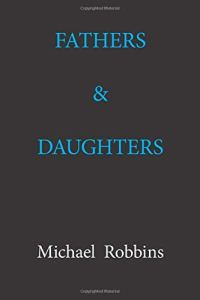
This book by David Hajdu made me mad. Not that it wasn’t enjoyable—it was—it was written almost in comic book style. It seemed appropriate to read this now, as we’re pulling the same shit all over again. In the early 50’s across the United States, states and municipalities were passing vsguely worded ordinances to ‘protect children’ and our morals. It wasn’t simply the politicians. Police, PTAs and the Catholic Church were rising up in scenes reminiscent of Nazi Germany.
Like Nazi Germany there were book burnings. Not just bannings, which is bad enough, but actual bonfires rising to the skies, under the old saw, ‘our morals are being corrupted!’ This began as early as 1948, only three years after the death of Hitler and his notorious band of hoodlums. The narrative demonstrates how easily masses of people can be manipulated by vague culture war polemics.
I saw some names I knew, like Bill Gaines, the head of EC Comics and the father of Mad Magazine. There were future sci-fi giants like Harry Harrison and Henry Kuttner, forced out of the comic business by the uproar capitalized on by Fredric Wertham and his book The Seduction of the Innocent. The introduction of the Comics Code Authority led to a bowdlerizing of comics that wasn’t overturned for 14 years.
The real irony of this was that none of these high-faluting critics of comic books had bothered to read what they were castigating, the same way none of these so-called Moms for Liberty bother to read LGBT themed or Black History books before throwing a hissy fit and pressuring librarians to ban them. 800 artists and writers never worked in comics again. The kids involved in these book burnings only realized this was wrong after the fact, and then they got mad.
“Though they were not traitors, the makers of crime, romance, and horror comics were propogandists of a sort, cultural insurgents. They expressed in their lurid panels, thereby helping to instill n their readers, a disregard for the niceties of proper society, a passion for wild ideas and fast action, a cynicism toward authority of all sorts, and a tolerance, if not an appetite, for images of prurience and violence. In short, the generation of comic-book creators whose work died with the Comics Code helped give birth to the popular culture of the postwar era.” [pg. 330, The Ten-Cent Plague]
Too bad for those cultural purists that you can’t kill ideas. You can suppress people, you can bury history but you can’t erase either people or true history. Even in the 1950’s, the seeds had already been sown, and Rock ‘n’ Roll was right around the corner.
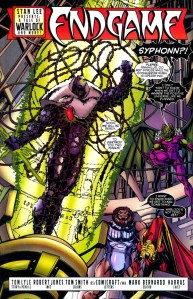
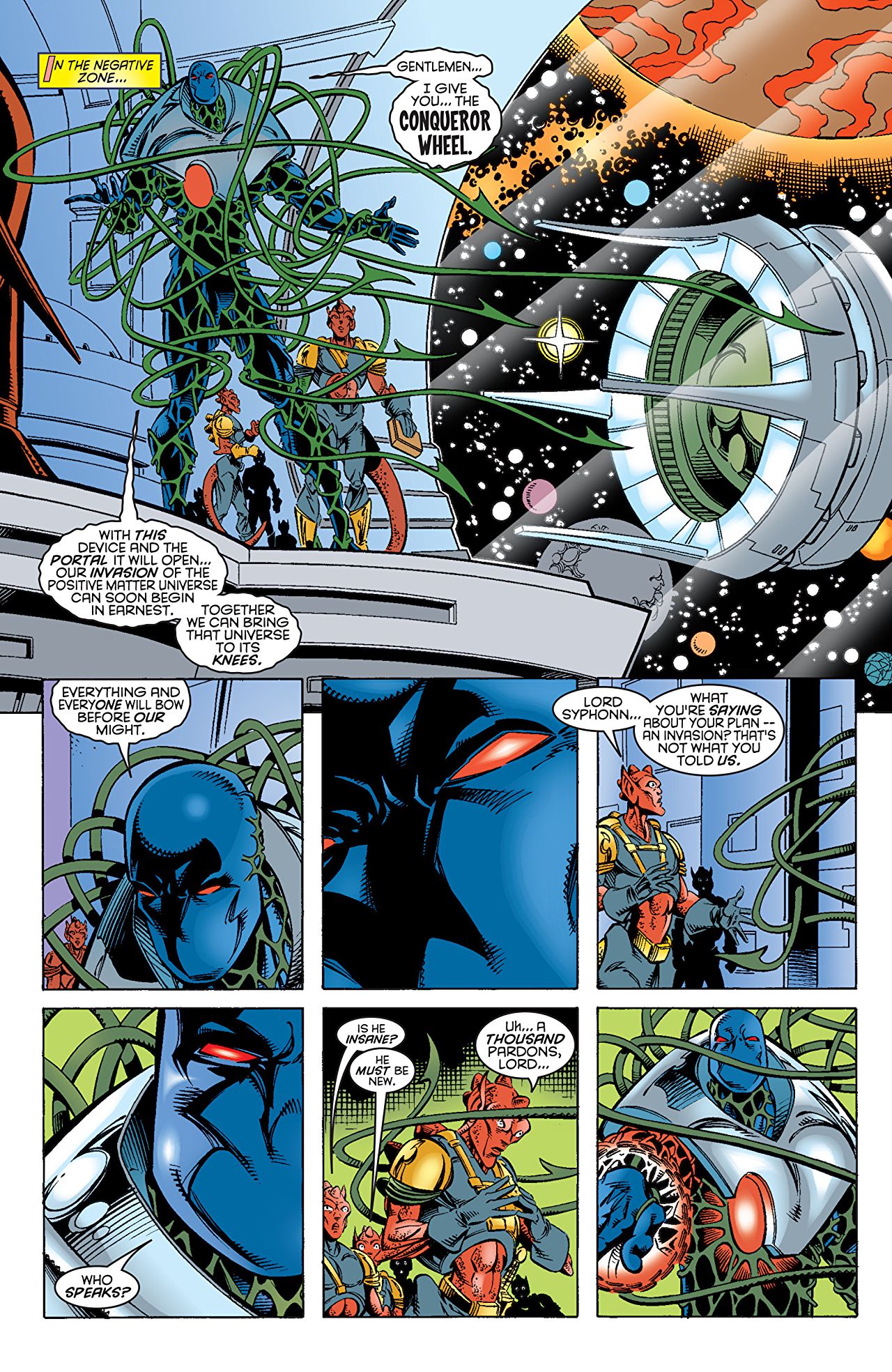 The villain for the day is Syphonn, another overlord from the anti-matter universe of the Negative Zone. He is a being gifted with an impractical tentacly suit, whose motives…yeah well, we never get to hear his backstory, so we have to take it at his word that he has a good reason for wanting to destroy the positive universe–our universe. There’s no rhythm or reason for his actions. He’s a bit like Maxwell Smart’s Siegfried: “It’s like this, Mr. Smart. There are goot guys unt there are bad guys, unt I am a bad guy.” Indeed he is a being so all powerful, so full of awe-inspiring mojo…that we never hear from him again.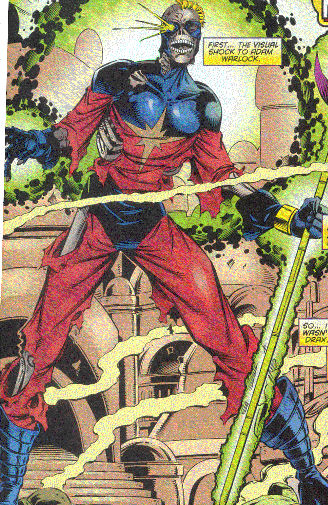



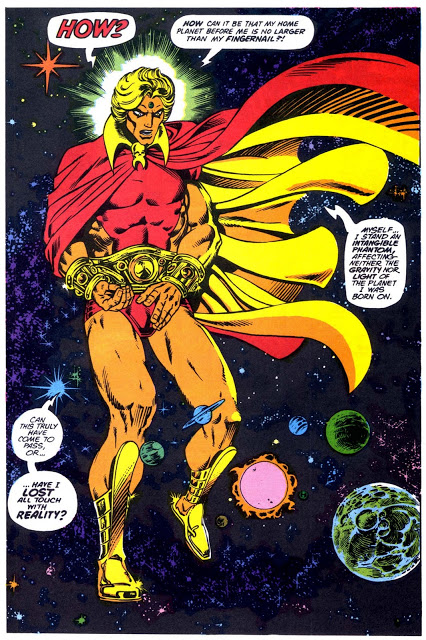


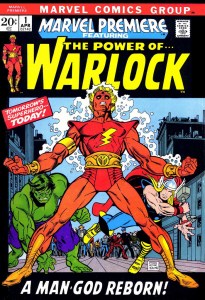
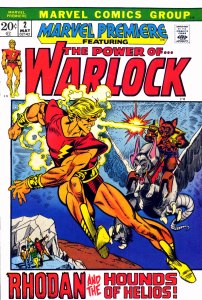


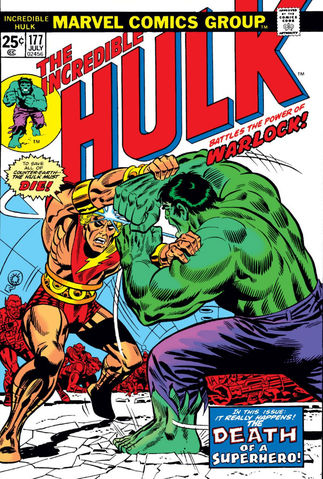

 Artist Gil Kane, 1926-2000
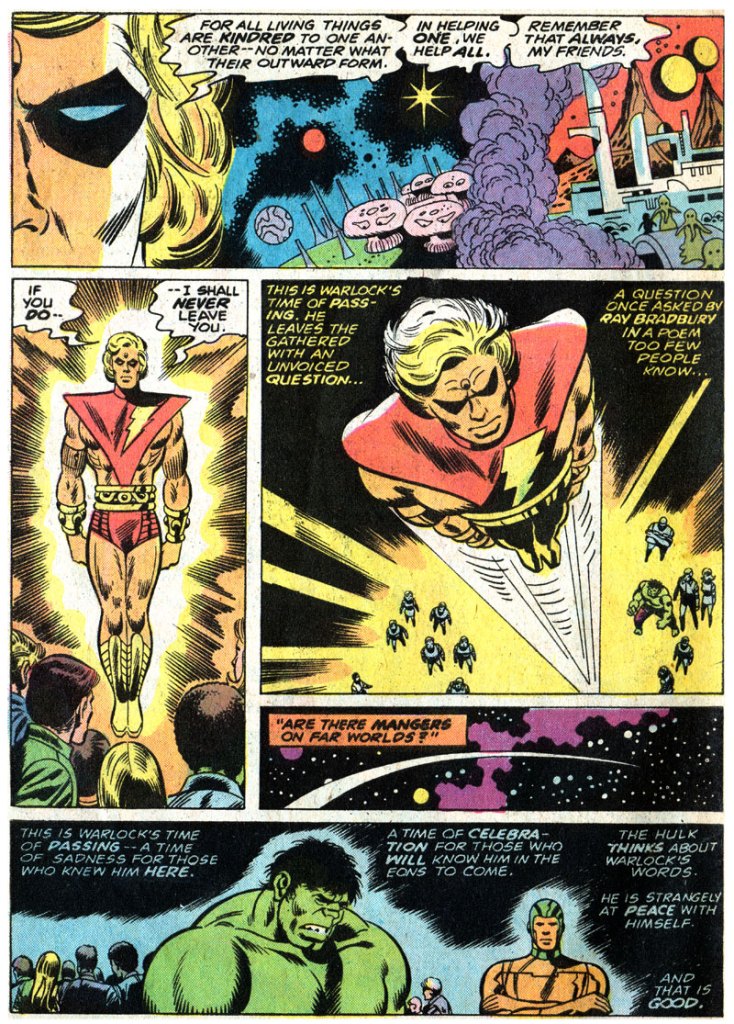


 Papablues Scrapbook